The Best Way to Prevent Sandburs Before They Spread
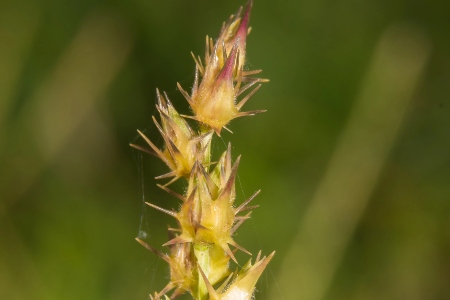
If you've ever stepped on a needle-sharp burr, you know how fast sandburs can turn a family yard into a no-go zone. The best defense is professional sandbur treatment that stops new burrs before they form and safely clears existing patches without hurting your lawn.
In San Antonio, our warm seasons, thin soils in newer subdivisions, and full-sun lots give sandburs everything they need. Sandburs multiply by the thousands if you let just a few set seed. The key is breaking that seed cycle early and reinforcing your turf so it crowds out new invaders across neighborhoods like Stone Oak, Alamo Ranch, Helotes, Leon Valley, Alamo Heights, and Schertz.
Why Sandburs Take Over San Antonio Lawns
Sandburs thrive where turf is thin, stressed, or patchy. South Texas heat is tough on grass that's already fighting compacted soil or shallow roots. Add plenty of sun and a little neglect, and you'll see burrs along curb lines, mailbox posts, and play areas first.
Several local factors play a role:
- Long, hot summers stress St. Augustine and Bermuda when the roots are shallow.
- Compacted, rocky, or caliche-heavy soils that restrict root growth and water movement.
- Irrigation patterns that leave dry gaps near edges, sidewalks, and slopes.
- Open soil from foot traffic, pets, or recent landscape projects that invite new seeds.
Once sandburs mature, the spiny seedheads cling to shoes, mower wheels, sports gear, and pet fur. One weekend of backyard fun can move burrs from a corner patch to the entire lawn if the seed cycle isn't cut off in time.
The Best Timing For Professional Sandbur Treatment
Timing in San Antonio matters. Pros focus on two windows: before germination and during active growth. Early-season applications target the next generation of burrs, while in-season visits reduce existing plants so they never set seed. That approach aligns with our area's warm springs and long summers, when burrs can surge after a stretch of rainfall followed by heat.
Weather varies year to year across the I-10 and Loop 1604 corridors. In a mild winter, burrs may wake earlier. After late-spring rains, they often surge along sunny strips in Shavano Park, Converse, and Castle Hills. A professional schedule adjusts to these shifts so your lawn stays protected even when the season runs early or late.
How Pros Break the Sandbur Seed Cycle
Stopping sandburs before they spread is about more than one spray. Licensed technicians build a layered plan that combines prevention, reduction, and turf recovery so burrs have nowhere to go.
Prevention That Blocks New Burrs
Pros create a protective barrier in the soil that keeps future burrs from establishing. This is timed ahead of peak germination and refreshed as needed through the growing season. Because San Antonio's weather can turn from cool to hot quickly, the timing is set by current soil and turf conditions rather than a fixed date on the calendar.
Reduction That Targets What You Can See
Any visible patches are treated so they don't produce more spiny heads. Technicians move carefully around driveways, playgrounds, dog runs, and mailbox strips where burrs hide in plain sight. The goal is to shut down seeding opportunities while protecting surrounding grass and landscape beds.
Turf Recovery That Closes Bare Spots
Healthy turf is the long-term answer. When grass thickens, it shades the soil and blocks weeds from getting established. Your technician will focus on the weak zones that let burrs sneak in, such as compacted corners near gates or sunny slopes in newer subdivisions. Strengthening these areas reduces the need for future corrective treatments.
In San Antonio, a warm spring after a mild winter can jump-start sandburs across sunny lots. Burrs cling to socks, pet fur, and stroller tires, so check entry paths and dog runs often to keep them from hitchhiking indoors.
Thick, Healthy Turf is Your Best Defense
Every lawn has a few stress points. Maybe it's the side yard that bakes in the afternoon sun or the strip between sidewalk and street that dries out first. A professional program looks at your whole yard and focuses on the gaps that keep coming back.
Here's what a season-long, pro-led plan is designed to deliver:
- Stronger roots that handle summer heat and hold moisture longer in our thin soils.
- Dense, even cover that shades out new burrs trying to sprout.
- Cleaner edges along sidewalks, fences, and play areas where seeds usually land.
- Safer spaces for kids and pets to enjoy, without painful surprises.
When turf is thick, burrs don't get a foothold. That's why prevention and recovery go hand in hand with targeted treatments.
Neighborhood and Soil Factors Across San Antonio
Across San Antonio, conditions shift block by block. Rockier, caliche-heavy soils are common on slopes toward Helotes and north of 1604, which can limit roots unless they're cared for. In older areas like Alamo Heights and Terrell Hills, mature trees may thin turf in full-sun pockets near driveways and curb strips. Newer developments in Stone Oak or Alamo Ranch often have builder soils that crust, leading to dry spots where burrs love to start.
Pros take these differences into account. The result is a plan that reflects your yard, not a one-size-fits-all schedule.
What Homeowners Notice Before Burrs Explode
Most people spot the problem in late spring or early summer, right before family gatherings or sports season. You might recognize these early clues:
- Thin, scratchy patches next to hardscape areas where foot traffic is heavy.
- Spiky seedheads catching on socks after mowing day.
- Pets favor certain paths or pause on hot, sunbaked corners.
- New burrs popping up along sunny edges after a week of rain and heat.
That's the moment to act with a professional visit, so seeds don't set for another cycle.
Mistakes That Make Burrs Spread Faster
Some everyday habits give sandburs a free ride. Cutting grass too short weakens turf, leaving the soil hot and exposed. Skipping parts of the yard with poor irrigation leaves open ground where burrs rush in. And yard projects that disturb the topsoil can create openings that last all season if they're not followed by turf recovery.
Never mow or edge when burrs are present, or you'll track them across the yard and into the house. Professionals plan service to avoid spreading seedheads, then reinforce thin areas, so burrs have nowhere to land. That combination limits both current burrs and the next generation.
What To Expect From A Professional Visit
First comes a full-lawn inspection, with extra attention to entry points like curb strips, mailbox posts, and sunny slopes. Your technician will identify active patches and choose the safest, most effective way to reduce them while protecting desirable grass. They'll also time preventative applications to interrupt the next wave of burrs based on current weather and soil conditions in your part of the city.
The visit ends with a clear, plain-language summary so you know what was treated and why. You'll also get a simple plan for strengthening the weak spots that allowed burrs to start in the first place. No guesswork, no cluttered instructions, and no shortcuts that let the seed cycle continue.
Why Choose Lawn Control of Texas For Sandbur Treatment
Local knowledge matters. Our technicians work across San Antonio every week, from Shavano Park to Leon Valley and from Converse to Castle Hills, so we know where burrs tend to start and how fast they move in each area. We match your treatment timing to current conditions, not a static calendar, and we focus on the thin zones that keep inviting burrs back.
If you need more than sandbur control, our complete lawn services can help stabilize edges, improve soil structure, and keep turf dense so it naturally stands up to weeds. With one team watching the whole picture, you get fewer surprises and a yard that's ready for the season.
How A Season-Long Plan Keeps Burrs From Coming Back
Sandburs don't stop at one round. That's why pros plan a season-long approach aimed at the biggest risk points and the likely seed windows. Regular check-ins help catch new hotspots before they expand, especially after a stretch of summer rain or a heat spike. When the lawn stays dense and stress-free, burrs have far fewer chances to settle in.
Think of it like keeping a door closed. The first treatment shuts the door on current burrs. Smart timing keeps it locked through the season. And a stronger turf puts a heavy chair in front so nothing pushes it back open.
Real-World Results Across San Antonio
Families with active pets see a big difference first. Fewer burrs in the yard mean fewer stowaways on paws and leashes. Sports families appreciate being able to toss the ball without worrying about spiky surprises. And anyone who has battled burrs along a sun-baked driveway knows the relief of clean edges that stay clean week after week.
Whether you're near UTSA, tucked into a quiet street in Alamo Heights, or out by Helotes, the playbook is the same. Break the seed cycle, protect weak zones, and lean on healthy turf to hold the line. That's the professional path to a safer, cleaner lawn.
Getting Started Is Simple
When you reach out, we'll schedule a property review and match your plan to what we see on site. There's no pressure and no guesswork, just a clear path from first visit to long-term prevention. You'll know how we're blocking new burrs, how we're shutting down current patches, and how we'll strengthen the lawn so you can enjoy it without worry.
Stop Sandburs From Spreading In San Antonio
Ready for a yard you can actually enjoy again? Call Lawn Control of Texas at 210-881-7553 today. Your lawn deserves a clean, burr-free season. We'll break the seed cycle, protect your turf, and keep your family's favorite spaces comfortable all year.

Locally Owned
Community Focused
Clear Communications