Why San Antonio Lawns Get Brown Patch and What Homeowners Can Do About It
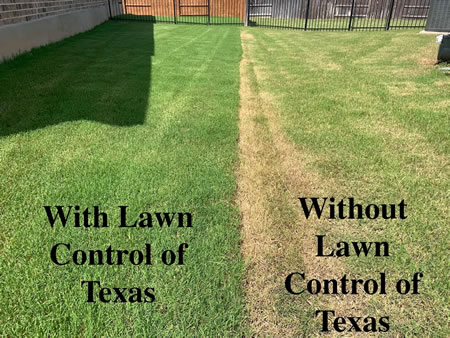
Brown patch can turn a green yard into a patchwork of straw-colored circles almost overnight. In San Antonio’s warm, humid swings and heavy morning dew, this fungus finds perfect conditions. If you are seeing rings or blotches that keep widening, professional lawn disease treatment helps stop the spread and gives your turf a path to recover with fewer setbacks.
What Brown Patch Looks Like in St. Augustine and Bermuda
Most San Antonio homes rely on St. Augustine for its shade tolerance and soft texture. Brown patch hits St. Augustine hardest, but Bermuda can show it too after stress. Look for circles or arcs of tan grass with a darker, sometimes smoky-looking edge early in the day. Blades often pull loose at the base because the fungus attacks the sheath where the leaf meets the runner.
- Spots usually start small, then grow into rings 1 to several feet wide.
- Edges may appear orange-brown at dawn when dew is on the lawn.
- Blades detach near the soil line, not mid-blade like simple heat scorch.
- Patches can merge into large, irregular areas across full-sun and partial-shade sections.
These signs are different from drought stress, which tends to look uniform across sunny slopes and bounces back quickly after rain or irrigation. Brown patch damage lingers and expands, especially after a stretch of humid mornings.
Why Brown Patch Hits San Antonio Yards
Our city’s climate makes the perfect recipe. Warm days, cooler nights, and long periods of leaf moisture give the fungus time to grow. That is why outbreaks often start after early fall cool fronts or during late spring humidity. Neighborhoods from Alamo Ranch and Helotes to Stone Oak and Shavano Park often see quick changes after a wet week followed by warmth.
Soil and site conditions add to the pressure. Heavy clay or shallow, rocky areas common around the Hill Country side of town hold surface moisture, while dense tree canopies in Alamo Heights or Terrell Hills slow drying. Foot traffic near sidewalks, mailbox strips, and pet paths thins turf and invites disease to settle in the gaps.
Brown Patch vs. Take-All Root Rot: Key Differences
It is easy to confuse brown patch with take-all root rot, another disease common in South Texas. Both can cause thinning and yellowing, but they behave differently and need different care plans.
- Brown patch spreads in rings and leaf sheaths rot at the soil line. Runners may still be alive beneath the surface.
- Take-all root rot weakens roots first, so turf feels spongy, thins across larger areas, and often struggles to regrow even after weather improves.
- Brown patch flares when nights are warm and humid. Take-all often shows during stress from heat, shade, or imbalanced soil conditions.
Sorting this out matters. A treatment plan designed for one will not fix the other. That is why a pro evaluation is the fastest route to a real answer and a stronger lawn.
Lawn Disease Treatment in San Antonio: What Professionals Do
Stopping brown patch is not a single visit. It is a sequence of steps matched to conditions in your yard and the current season. Licensed specialists in our area focus on timing, coverage, and recovery so the lawn can repair faster and resist the next flare-up. Here is what a pro visit commonly includes:
- Inspecting rings, leaf sheaths, and runners to confirm the disease and rule out look-alikes like drought, grub damage, or chinch bugs.
- Targeted applications that address active disease while protecting surrounding turf and landscape beds.
- Mapping hotspots such as narrow side yards, shaded patios, and curb strips where moisture lingers.
- Planning follow-ups around forecasted humidity and temperature swings, since our weather can shift quickly along Loop 1604 and the I‑10 corridor.
- Stability work that supports recovery of St. Augustine or Bermuda so the canopy closes and future outbreaks slow down.
Because nutrition affects disease pressure, pros often coordinate care with seasonally balanced lawn fertilization that supports regrowth without creating weak, lush tissue. That balance is especially important after a rainy week, when growth surges but leaves stay wet for hours.
Local insight: Brown patch often shows up in San Antonio right after the first cool front with warm days and damp mornings. Avoid tracking equipment across visibly infected circles, since moving through wet blades can spread the fungus to clean areas.
How Brown Patch Spreads Across Neighborhoods
You might see one arc near a driveway in Castle Hills, then a second spot along the side fence a week later. The fungus travels on blades, soil, and even mower wheels. When dew sits on grass until late morning, spores have more time to move and infect new leaves. In newer subdivisions with thin builder soils, circles often start on the sunniest edges first, then appear under trees as shade slows drying.
Unlike simple heat stress, the damage from brown patch does not fully recover without help. New growth can fill in during warm stretches, but the rings return when weather swings back toward humid mornings. That is why consistent, well-timed care beats a one-and-done approach.
How Pros Tell It Is Time To Intervene
Licensed technicians look at timing, leaf symptoms, and how fast spots are expanding. They also check irrigation overlap and compaction in heavy-traffic areas. If circles are growing week to week or merging into larger patches, fast action protects more of the yard and shortens recovery time.
You do not need to diagnose it yourself. A quick site visit and lab-backed products used by a trained team are the difference between a long, frustrating season and a lawn that stabilizes and greens back up. If your turf started showing rings after a wet spell or a string of muggy mornings, scheduling lawn disease treatment early protects more grass.
Why Timing Matters in San Antonio’s Seasons
Our area can swing from dry to damp in a few days. After late-summer showers or the first fall fronts, soil and leaf moisture climb. Nights stay warm enough for growth, and leaves may not dry until midday. That is the window where brown patch accelerates. Professionals time applications and follow-ups to those patterns so coverage is in place before the next spike.
On the other hand, stretches of intense heat can mask symptoms even while the fungus remains in the thatch. Then, when conditions turn favorable again, rings reappear fast. A year-round plan watches those thresholds and adjusts visit timing when the forecast shifts.
What Recovery Looks Like After Treatment
Once spread slows, the focus shifts to thickening the lawn so rings disappear into a uniform canopy. In St. Augustine, new runners creep across bare areas when temperatures and moisture allow. In Bermuda, recovery shows as fresh blades filling from the edges. Pros track these changes over several weeks and return to reinforce coverage when the forecast calls for another humid stretch.
The goal is simple: a denser, more resilient yard that holds color through the ups and downs of a South Texas season. You should see fewer new spots, tighter edges around old rings, and stronger growth across high-traffic lanes near gates, sidewalks, and play areas.
Common Myths That Slow Recovery
Several well-meaning ideas can work against you in our climate:
- “It will go away on its own.” In San Antonio, conditions favor repeated flare-ups. Waiting usually leads to larger, more costly damage.
- “It is just heat damage.” Drought stress looks different and improves quickly after consistent rain, while brown patch continues to expand.
- “All fungicides are the same.” Products, timing, and rates matter. A licensed pro matches tools to turf type, weather, and disease pressure.
When in doubt, lean on a local team that works in our neighborhoods every week. Their timing and coverage are built around the patterns they see from Alamo Ranch to Leon Valley and beyond.
Related Reading for San Antonio Homeowners
Nutrition and timing influence how quickly grass can bounce back after disease. For a deeper look at seasonal feeding in our climate, read why fertilization matters more in hot climates. It explains how the right schedule supports thick, even growth that stands up better to stress.
To see the full scope of services that support turf health across the year, visit the service listings and explore options that complement disease care, like targeted feeding and site-specific adjustments.
Finding a Reliable Team in San Antonio
Choosing a partner that understands our soils, shade patterns, and weather is the fastest path to a consistent lawn. Start at the home base for lawn disease treatment to learn more about Lawn Control of Texas, explore results from nearby neighborhoods, and see how a year-round program keeps turf resilient through hot, dry months and humid swings.
Results come from steady, well-timed care. A trusted local team keeps watch on seasonal triggers, explains what to expect, and follows up when the forecast or your yard’s condition changes.
Protect Your Lawn With Local Expertise
If brown patch circles are spreading across your yard in San Antonio, let a licensed pro step in before more turf is lost. Reach out to Lawn Control of Texas and talk with a friendly expert about a plan shaped for your grass, shade, and neighborhood. Call us at 210-881-7553 and ask about lawn disease treatment that matches our local weather patterns. With the right timing and follow-through, your lawn can recover and stay stronger through the season.

Locally Owned
Community Focused
Clear Communications